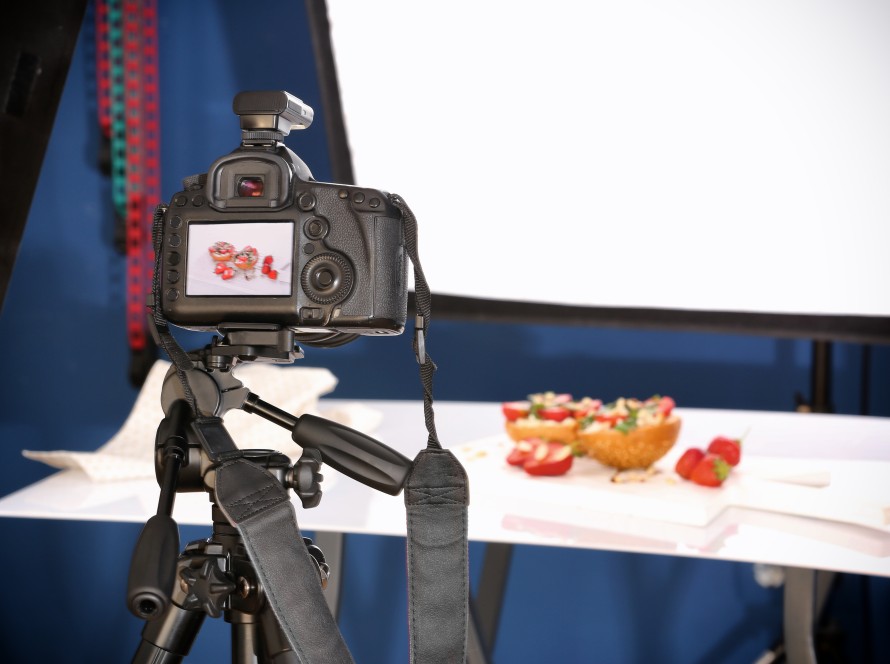


Ever scroll past something you might’ve bought… if only the photo hadn’t looked like it was taken under a ceiling fan at midnight?
It happens more than most people admit.
In e-commerce, the photo is the product—for at least the first few seconds. Before anyone reads a description or checks the price, they’re making a decision based on one thing: how the image makes them feel.
And when it’s off? You’ve already lost the sale.
Online Shoppers Buy With Their Eyes First
Unlike an in-person experience, where customers can touch, feel, and test a product, online buyers depend entirely on visuals.
That’s why e-commerce photography does more than just show what something looks like—it establishes trust. Or breaks it.
Blurry image? Looks unprofessional.
Inconsistent lighting? Feels sketchy.
No scale or context? Confusing.
Buyers don’t always say it out loud, but when your photos don’t hit the mark, their brain fills in the blanks—and those blanks usually say, “Maybe not.”
High-quality local business photography helps people feel confident in their purchase decision. And confidence drives conversions.
What Makes a Photo Convert, Not Just Look Good
It’s easy to assume that better resolution = better results. But clarity is just one part of it.
A strong e-commerce photographer focuses on:
- Consistency in lighting and color across your catalog
- Accurate tones and textures (so returns don’t pile up)
- Visual hierarchy—knowing where the eye lands first
- Emotional tone, especially in lifestyle or contextual shots
There’s a reason why some products look more expensive—even when they aren’t. It’s often because the photos suggest value through composition, light, and mood.
It’s not about over-polishing. It’s about making the product feel real, tangible, and desirable.
Why a Marketing Photographer Is a Strategic Investment
There’s a big difference between someone who knows how to take a technically clean shot and someone who understands how photography supports brand growth.
A marketing photographer thinks beyond aesthetics. They consider:
- Target demographics and what visual style appeals to them
- How photos will be used across platforms (web, social, ads, print)
- Building a consistent visual identity to support small business marketing campaigns
This isn’t just about beautiful product photos. It’s about creating an image bank that serves your sales funnel, social media calendar, and seasonal promotions—all at once.
Why This Matters More for Small Brands
If you’re running a local boutique or small online shop, you’re not just selling products—you’re building trust from scratch.
You don’t have a global brand name to lean on. You do have about 3–5 seconds to make a first impression.
Your competitors? Probably using polished photos, models, and consistent styling. If your product pages or Instagram feed look DIY in comparison, that gap becomes your disadvantage—no matter how good your product is.
Investing in professional e-commerce photography levels the playing field. It tells customers: we’re legit, we care, and what we sell is worth your time.
What a Specialized E-Commerce Photographer Actually Delivers
Not all photographers are the same.
A true e-commerce photographer understands:
- Platform-specific requirements (like Amazon’s white background rule)
- Mobile-first shopping behavior and how cropping affects perception
- How to batch shoot efficiently, keeping your image costs down
- What angles convert best for different product categories
They don’t just hand you pretty photos—they give you ready-to-use assets that fit your sales strategy.
Photos That Sell Without Saying a Word
The truth? People don’t read everything. They skim. They glance. They scroll.
Your product photos? They’re doing the talking for you.
And when they’re done right—when they’re clean, honest, and quietly compelling—they build trust before you’ve even said a word.
That’s why e-commerce photography isn’t a “nice-to-have” anymore. It’s the front door to your business. The pitch before the pitch.
And for a small brand trying to stand out, that first impression can be the one that keeps your cart from getting abandoned.